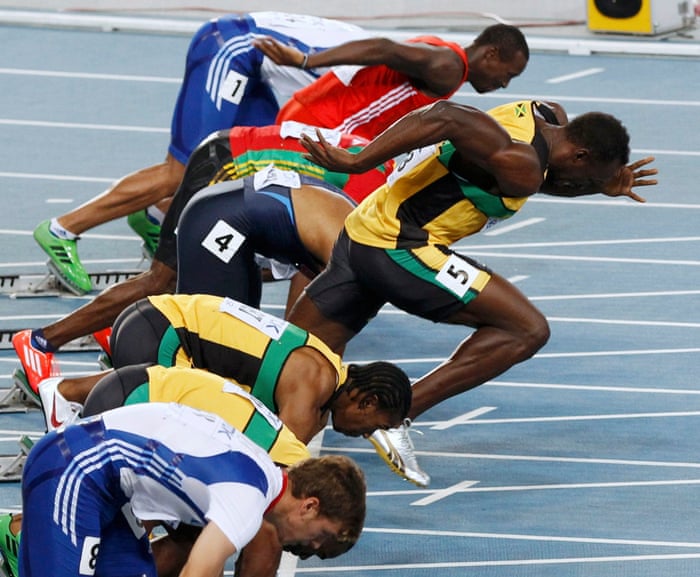
In most sports, the number of competitive matches per season can be outrageous and demanding on an athlete’s body. Many athlete’s work incredibly hard to train and condition their bodies to adapt to their chosen sport day in and day out. Even though they portray a dedicated hard-working mentality, a significant number of athletes fail to comply with the recommended recovery guidelines to recover and refuel their bodies for the tough demands ahead – sports science research to practice is poor.
Most sports involve various activities and skills such as running, jumping, kicking, tackling and physical contact, which leads to fatigue. Fatigue is characterised by a decline in performance induced by exercise. Therefore, the risk of fatigue and a lack of adequate recovery has been proven to correlate with increasing risks of developing serious injuries resulting in time spent off the training fields and missed matches.
So how do we manage fatigue or chronic fatigue? Well firstly, we know that fatigue is detrimental to performance along with other physiological changes. We need to prioritise our ‘recovery phase’ highly with the goal to minimise the constant threat of fatigue.
Here is a list of the six scientific proven recovery strategies:
1. Nutrition and hydration
It is recommended that athlete’s consume a large volume of fluid (approximately 150% of the sweat lost) in conjunction with high concentrations of sodium (approximately 500-700mg/L of water), flavoured milk or juice immediately after a match.
Also, athlete’s should eat a meal containing high-glycaemic index carbohydrates and protein example; pasta, fish, potatoes.
2. Sleep
Sleep is an essential part of recovery management, as sleep disturbances after a match is common which may negatively impact on the recovery process. It is recommended that a minimum of 8 hours of quality sleep per night is achieved. This will maintain athlete’s performance whilst reducing the risk of sustaining an injury.
Studies have shown that athlete’s whom sleep less than 8 hours per night are exposed to rhinovirus and are 3x more likely to develop the common cold.
3. Cold water immersion
Many studies have concluded the benefits of cold water immersion i.e. maximal strength, sprint ability and reduction of muscle soreness. However, the controversy lies with the protocol as many studies have different suggestions to the most beneficial way. Well luck for you we’ve cleared this up and recommend the following
a. Whole body immersion lasting 10-20 minutes at a temperature of 12 to 15°C.
b. Intermittent hot and cold-water immersion lasting 10-15 minutes. In the shower, start with either hot or cold water and continually change every 60 seconds. It is important that you finish on cold.
4. Compression garment
The principle of compression garments is to cause an increase in pressure around the ankles and decrease around the mid-thighs. But why? This method improves the venous return thus reducing venous stasis in the lower limbs. Wearing compression garments leads to effective recovery of muscular strength, muscle power and creatine kinase. It also delayed the onset of DOMS. Therefore, wear compression garments all day until bedtime.
5. Active recovery
Active recovery protocols involve running, cycling or swimming at very low intensities for 15 to 30 minutes. A major benefit of active recovery following an intense training session or match is the enhancement of blood lactate removal.
6. Massage
Massage subsides inflammatory signalling after exercise-induced muscle damage. Massage also decreases the symptoms of delayed onset muscle soreness and increases perceptions of recovery. Soft-tissue therapy is recommended following a match.

So, the best thing you can do today is apply one or more of these recovery strategies to help maintain your athletic performance whilst reducing the risk of injuries.
We want to hear from you! Is there a particular strategy that you find super effective with your recovery regime? Please share and we will be more than happy to put it to the MVP Rehab test.

Dr Fadi Najjar
Principal Physiotherapist
Doctor Of Physiotherapy
No responses yet